Thay Pagoda
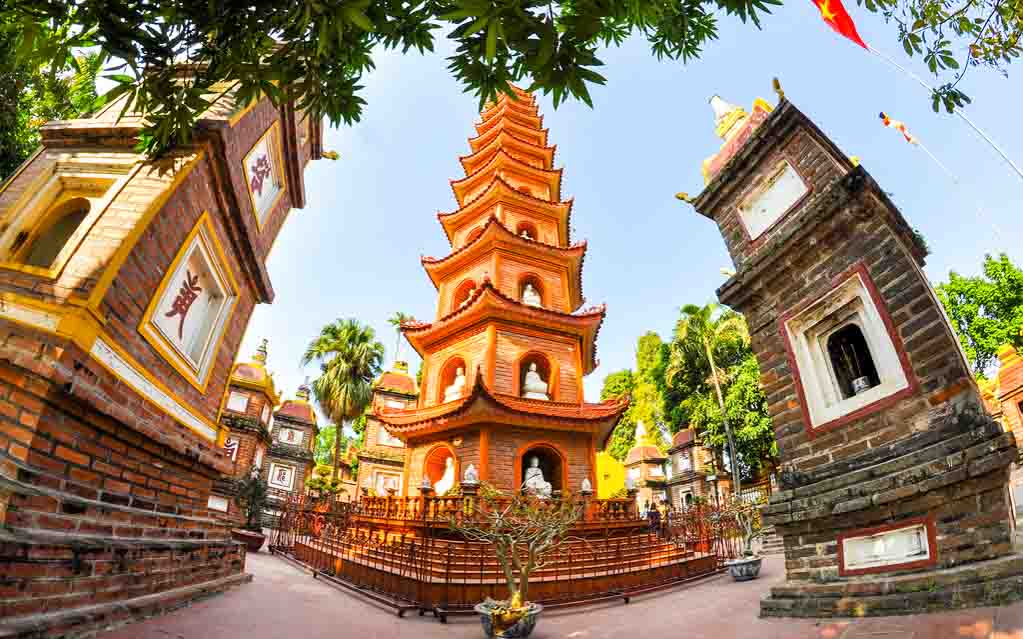
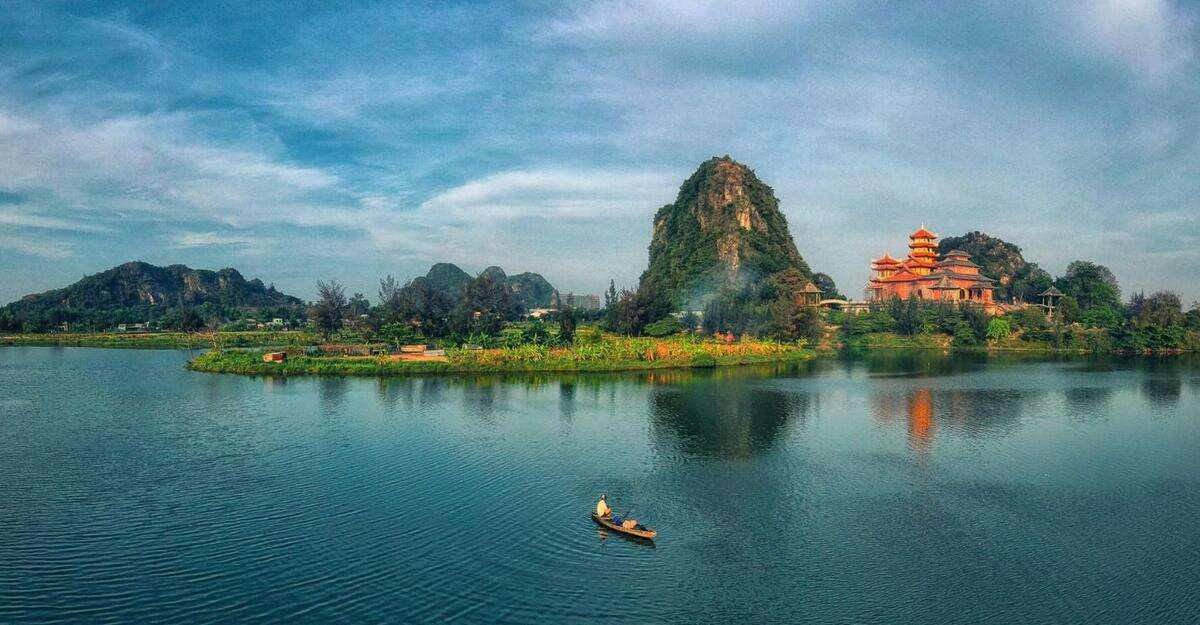
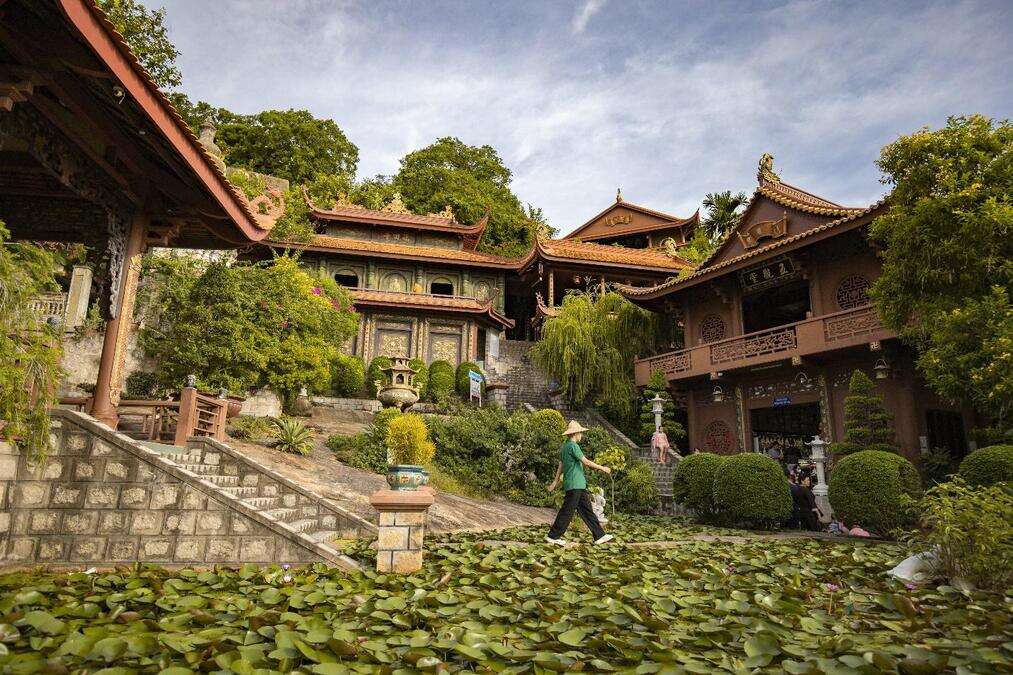
Thay Pagoda (Chùa Thầy), also known as Thien Phuc Tu or the 'Pagoda of the Heavenly Blessing', is a 900-year-old shrine located at the foot of Sai Son Mountain in Quoc Oai District, about 30km from Hanoi. Offering a refreshing escape from the noise and commotion of the capital, the pagoda is set against a picturesque backdrop of rocky, forested karst outcrops that are highly reminiscent of those in Ninh Binh. The original sanctuary dates back to the reign of Emperor Lý Nhân Tông (1072–1128). The site is dedicated to Thich Ca Buddha (the historical Buddha) and Tu Dao Hanh, an 11th-century monk famous for his generosity to the poor and widely credited with inventing Vietnamese water puppetry to celebrate the lives of the rural population.
Useful Information
-
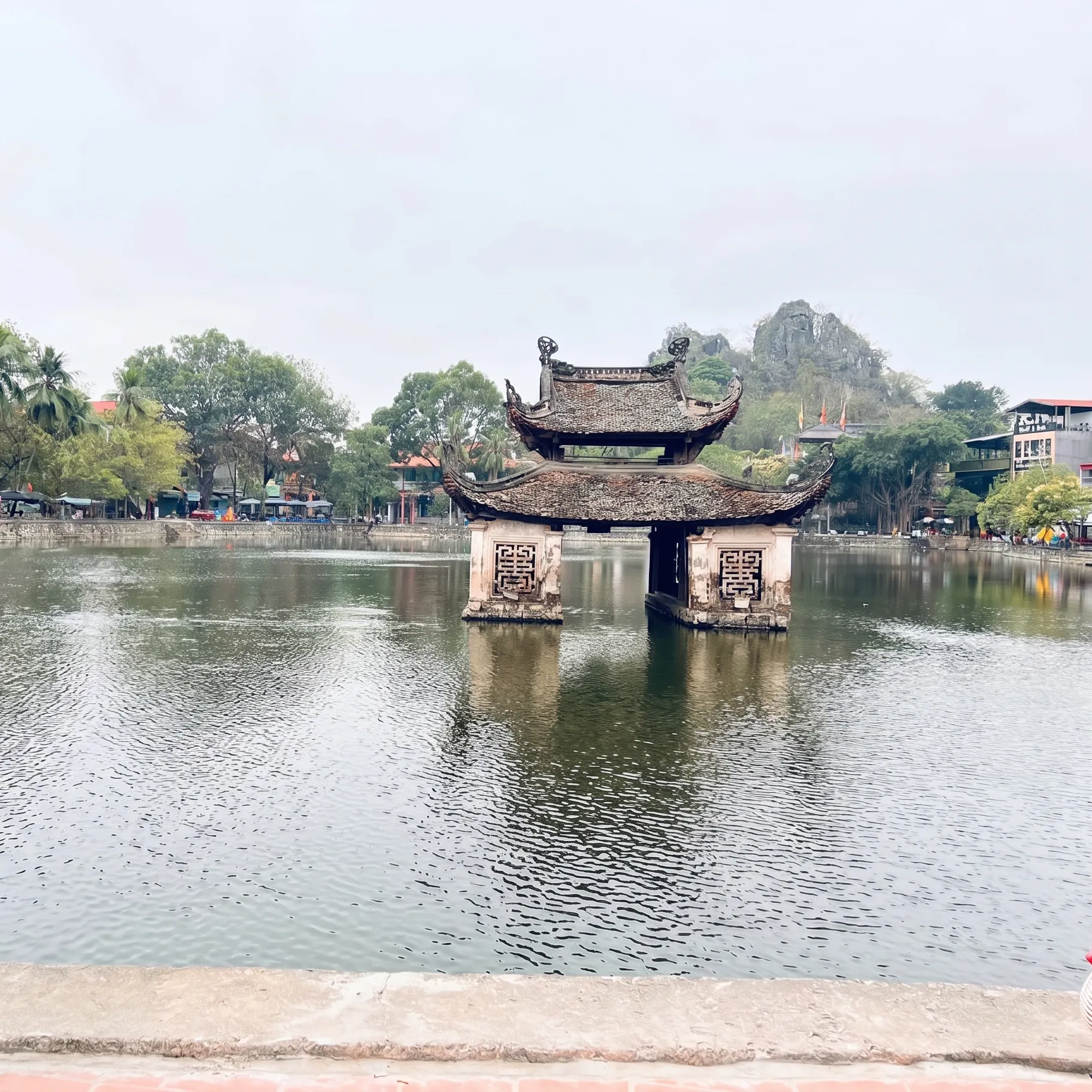
The Main Complex: The pagoda consists of three parallel buildings, with the largest main structure situated directly in front of a still lake. Sitting on the water is a beautiful pavilion dedicated to the guardian spirit of water puppeteers, and traditional performances still take place here at certain times of the year.
-
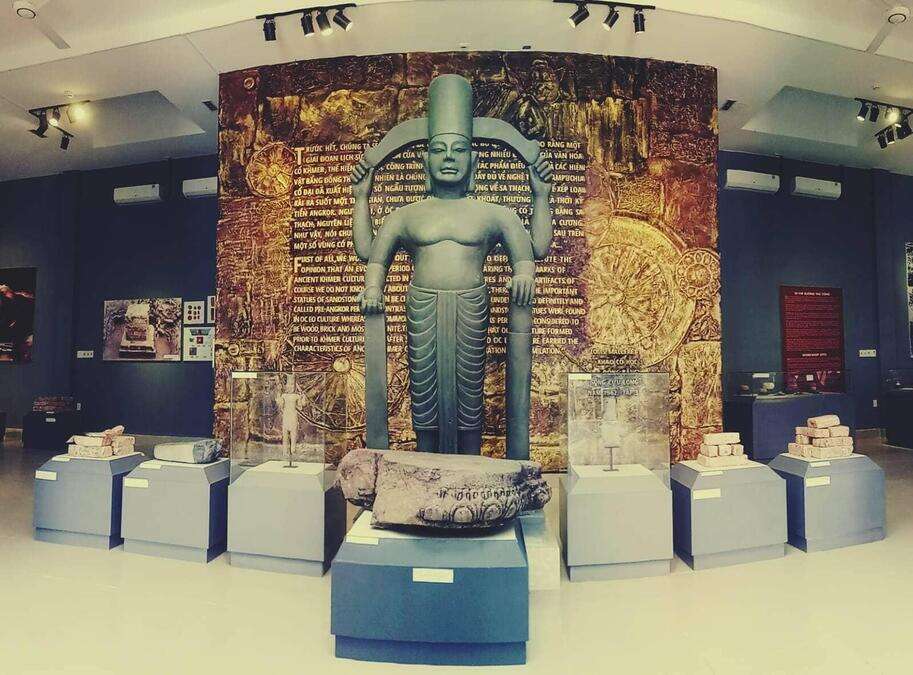
Impressive Statues: Inside the entrance hall, you will be greeted by massive guardian figures made of Red River clay, which are said to weigh over 1,000kg each. The pagoda also houses statues representing Tu Dao Hanh's three revered incarnations: a monk, a teacher, and a king of the Ly Dynasty. According to local legend, his preserved remains are still entombed within the pagoda.
-
The High Temple and Cave: Visitors brave enough to climb the steep mountain steps will find another temple sitting above a huge cave. This sprawling and imposing cave holds deep historical significance, as it is said to contain the bones of Vietnamese soldiers who fought during the American War.
Tips for Visiting
-
Getting There: The pagoda is roughly a 30km motorbike or car ride from Hanoi. To get there, follow Nguyen Chi Thanh and Tran Duy Hung streets onto the Thang Long Highway heading towards Hoa Lac. After travelling down the highway for about 20km, take the turn-off on the right-hand side close to Quoc Oai.
-
Hire a Local Guide: The sprawling complex, including the mountain and caves, can be rather confusing for first-time visitors. It is highly recommended to employ one of the local guides waiting at the foot of the pagoda so you don't miss important sections. Always remember to agree on the price beforehand and factor in a tip at the end.
-
Weather Precautions: If you plan to hike up to the High Temple and explore the large cave, only attempt this climb on a dry day. The steep rocks become treacherous and very slippery after rain.
-
Engage with the Monks: If you can speak a little Vietnamese, stop and have a chat with the head monk. He is usually very happy to share deep insights into the pagoda's unique history and the life of Tu Dao Hanh.
Entrance: Prepare a little cash before you arrive, as there is a small entrance fee required to access the pagoda.