Hanoi Ceramic Mosaic Mural
Discover the Hanoi Ceramic Mosaic Mural, the world’s longest ceramic artwork, showcasing vibrant designs that celebrate Vietnam’s history and culture.
The Hanoi Ceramic Mosaic Mural: A World Record Masterpiece
1. Introduction
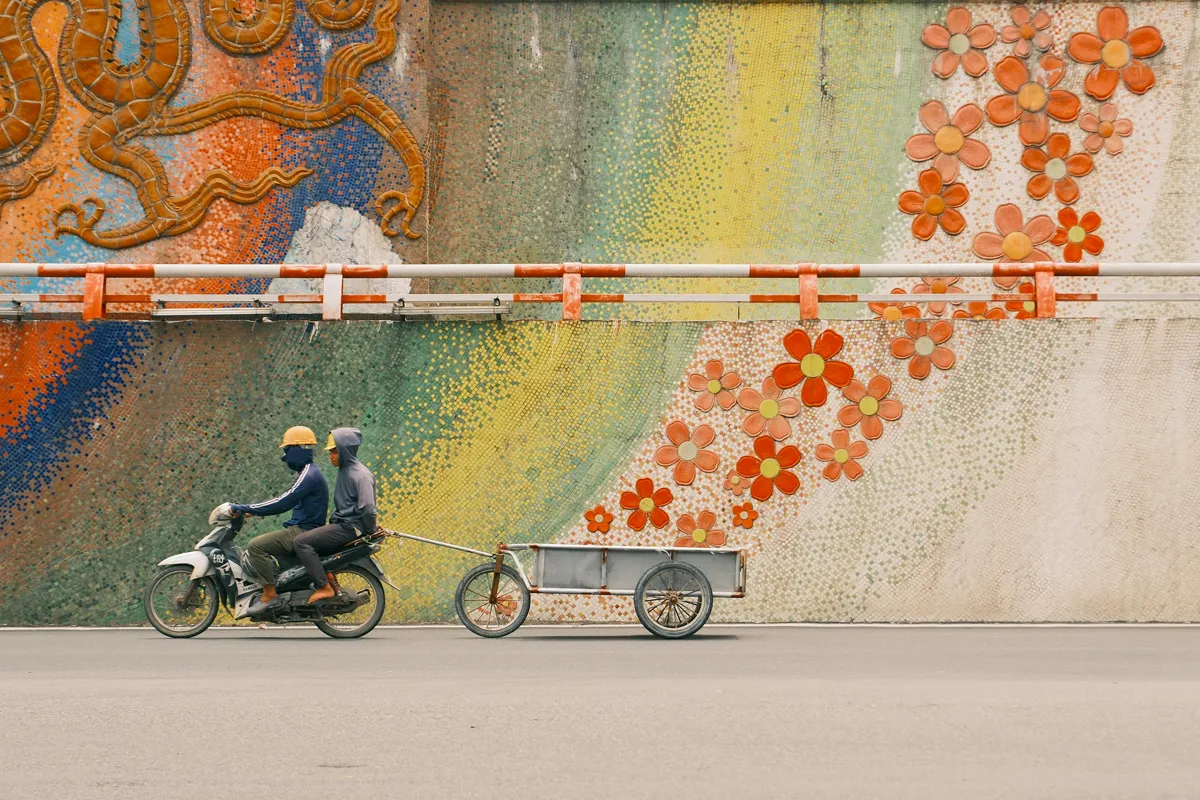
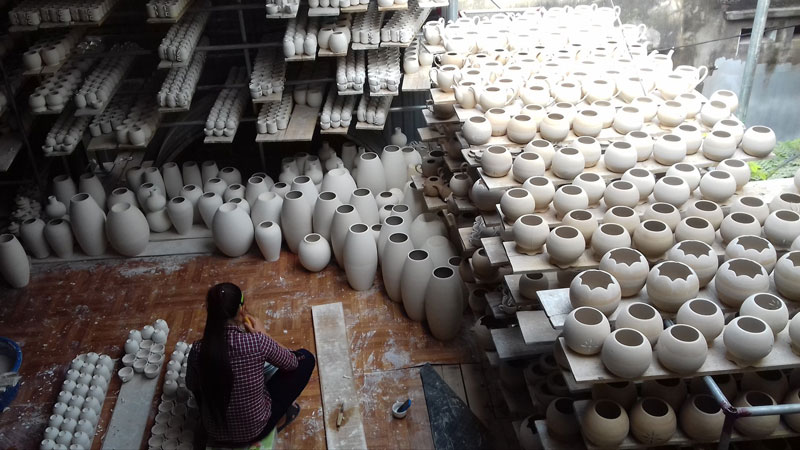
The Hanoi Ceramic Mosaic Mural is a spectacular 6.5-kilometer open-air gallery that runs along the walls of the Red River dyke system. Conceptualized by journalist and artist Nguyen Thu Thuy in 2007, the project was completed in 2010 to celebrate the Millennial Anniversary of Hanoi. Holding the Guinness World Record for the longest ceramic mosaic on the planet, the 21,000-square-meter canvas is made of tiny 3x3 cm tiles sourced from the famous Bat Trang ceramic village. It was a massive collaborative effort involving over 600 artists—including 35 international contributors, 100 traditional artisans, and 500 children.
2. Things to See
The mural is a visual feast that weaves together Vietnam’s rich heritage into distinct sections:
-
Historical Panels: Located near Tran Nhat Duat Street, these tiles depict ancient dynasties (from Dong Son to the Ly, Tran, Le, and Nguyen), royal symbols, and historic events like the 938 AD Bach Dang River victory.
-
Cultural Motifs: Around Yen Phu Street, you will find vibrant designs inspired by Dong Ho and Hang Trong folk paintings, showcasing agrarian life, buffaloes, and traditional festivals.
-
Modern and Whimsical Art: Closer to Au Co and Nghi Tam streets, the artwork transitions into modern cityscapes and cyclo drivers, alongside playful motifs like fish and kites drawn by local schoolchildren, as well as international cultural pieces sponsored by foreign embassies.
3. Things to Do
-
Take a Scenic Tour: Start your walk at Tran Quang Khai Street (near the Old Quarter) and enjoy a 2-3 km stroll toward Yen Phu, which takes about 1-2 hours. To see the full 6.5 km, consider renting a bike or joining a cyclo tour.
-
Photography: Capture the vivid colors by shooting in the soft morning light or at sunset (5-6 p.m.). Use a wide-angle lens for long stretches and focus on intricate details for close-ups.
-
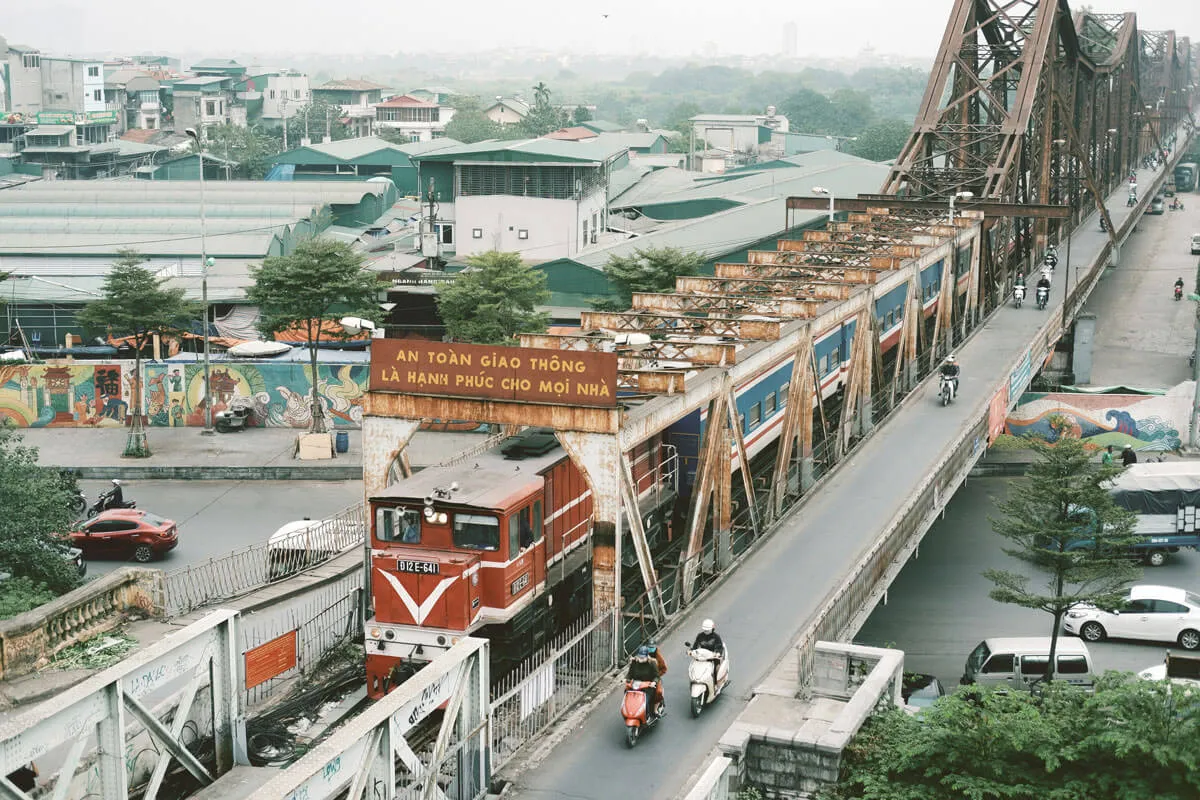
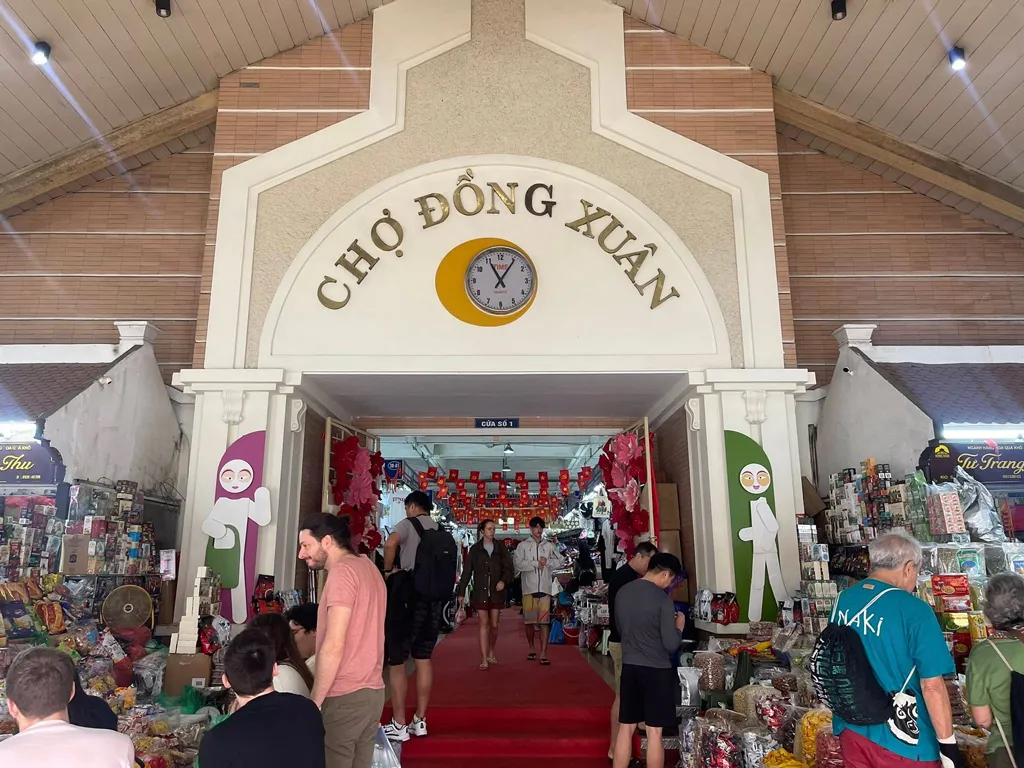
Combine Attractions: Pair your visit with a detour to the nearby historic Long Bien Bridge (just 500 meters away) or wander through the Dong Xuan Market (1.5 km away).
4. Tips for Visiting
-
Getting There: From the Hanoi Opera House, walk east along Tran Tien toward the highway. To safely access the dyke path, look for a set of stairs located behind the Petrolimex Gas Station (or the car wash) on Tran Khanh Du street.
-
Timing: Avoid rush hours (4-6 p.m.) due to heavy traffic noise and pollution along the dyke.
-
What to Bring: The area offers limited shade, so bring sunscreen, a hat, and water. Wear comfortable shoes for the uneven sidewalks.
Safety and Respect: Walk only on designated paths to stay safe from busy traffic, and make sure to hold children's hands. Do not touch the tiles, as the oils from your hands can damage the ceramics.