Long Bien Bridge
Discover Long Bien Bridge, Hanoi’s iconic historic bridge spanning the Red River, known for its French colonial architecture, wartime history, and stunning views of the city skyline.
A Guide to Long Biên Bridge: Hanoi's Historic River Crossing
1. Introduction
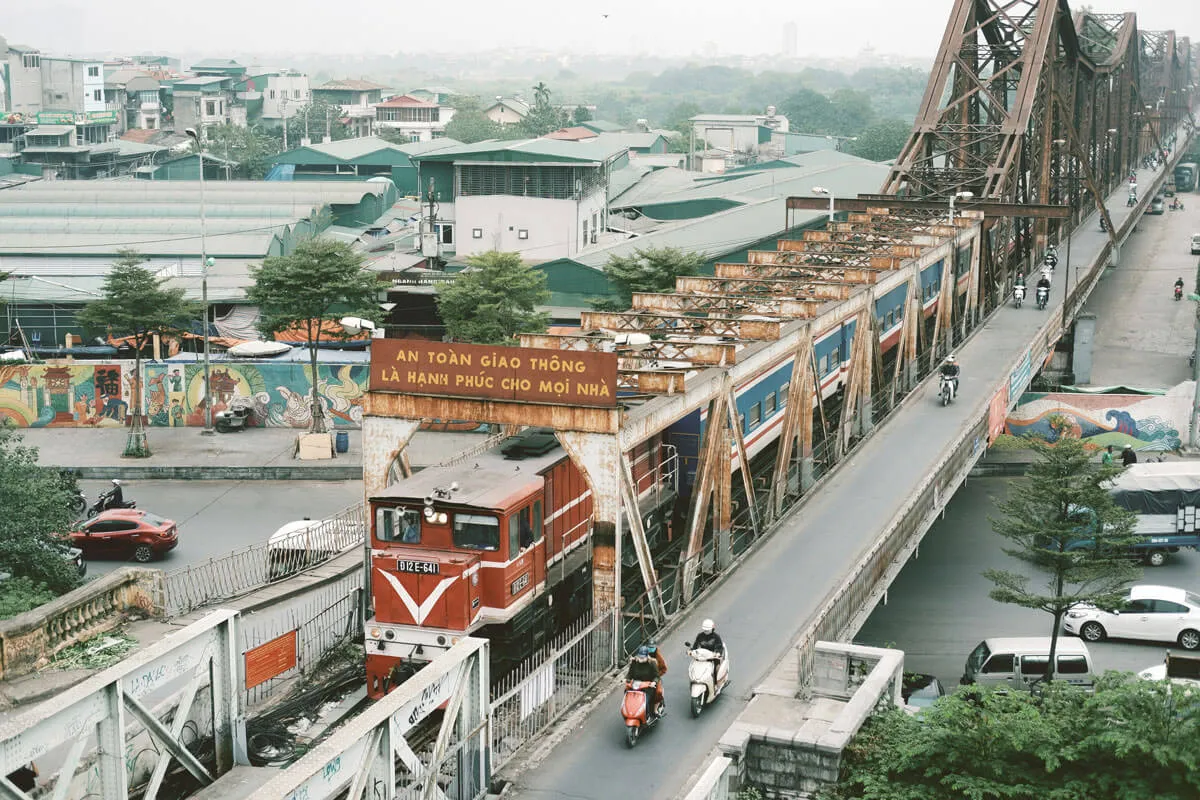
Long Biên Bridge (Cầu Long Biên) is a historic cantilever bridge spanning the Red River, connecting the Hoàn Kiếm and Long Biên districts of Hanoi. Constructed between 1899 and 1902 by the French architects Daydé & Pillé (though it is often mistakenly attributed to Gustave Eiffel), the bridge was officially opened in 1903. Originally named the Paul Doumer Bridge after the French governor-general of Indochina, it was built by over 3,000 Vietnamese workers. Stretching over 2.2 kilometers, it was one of the longest bridges in Asia at the time of its completion.
Today, the bridge stands as a profound symbol of the tenacity and resilience of the Hanoian people. Due to its critical strategic position, it was heavily bombed by US aircraft during the American War, which destroyed many of its original 19 spans. However, the Vietnamese continually and quickly repaired the bridge to keep transport lines open, and parts of the original structure proudly remain standing today.
2. Things to See
-
Unique Architecture: While only half of the bridge retains its original shape due to wartime bombings and subsequent repairs, its rusted iron beams and imposing cantilever structure offer a beautiful, gritty charm.
-
Banana Island and the Red River: From the bridge, you can take in sweeping views of the Red River, where you can spot poor families living in traditional boats on the water. Walking along the bridge also provides access to Banana Island, a vast, green patch of land supporting local farms and banana plantations.
-
Phuc Tan Public Art Project: Located just south of the bridge on the last street before the river, this ambitious outdoor art installation features scenes of feudal life and mythological creatures crafted entirely from recycled materials like plastic bottles and broken glass.
3. Things to Do
-
Take a Historic Walk: Taking a stroll across the bridge is an unforgettable way to capture the essence of Hanoi's history and experience the daily hustle and bustle of local life.
-
Photography: The bridge’s rustic, striking architecture makes it a highly sought-after backdrop for photographers, portraiture, and local wedding shoots.
-
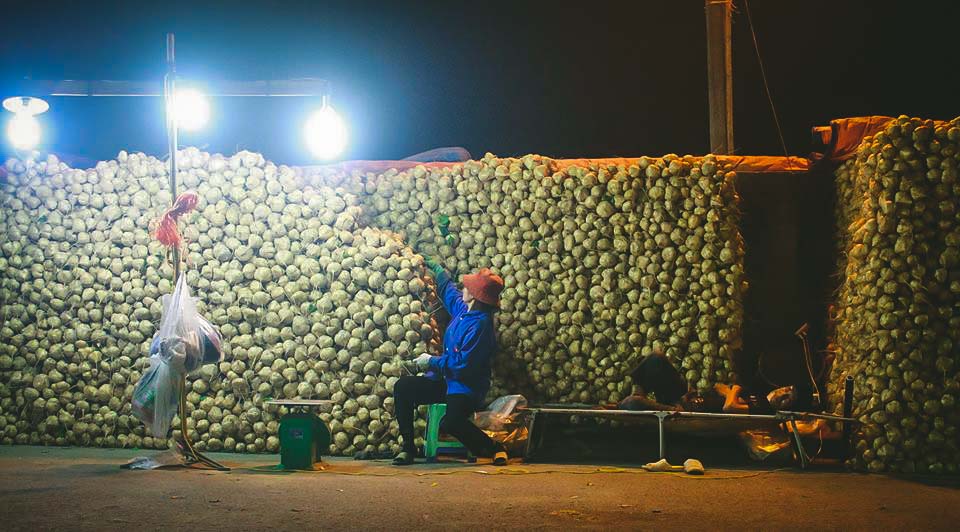
Explore Long Bien Market: Head to the foot of the bridge to discover Chợ Đầu Mối Long Biên, a sprawling, raucous wholesale food and fruit market. It operates primarily from midnight until dawn, offering a deeply authentic look at local commerce without the usual tourist crowds.
4. Tips for Visiting
-
Traffic flows on the left: This is a crucial safety rule. Unlike the rest of Vietnam where traffic moves on the right, pedestrians, bicycles, and mopeds on Long Biên Bridge strictly travel on the left-hand side. The train tracks run straight down the center. All other motorized traffic (like cars) is diverted to nearby bridges.
-
Best time to visit: Sunrise and sunset are highly recommended for the best photography lighting and to enjoy the lively atmosphere of the nearby fruit markets in the morning.
Getting there: The bridge is very accessible from the city center, located just a 1km to 2km walk from the Old Quarter and Hoan Kiem Lake.