Hanoi Train Street
Explore Hanoi Train Street—a unique alley in Hanoi where trains pass just inches from homes, offering a thrilling local experience and great photo spots.
Hanoi Train Street: A Guide to the City's Most Exhilarating Railway Experience
1. Introduction
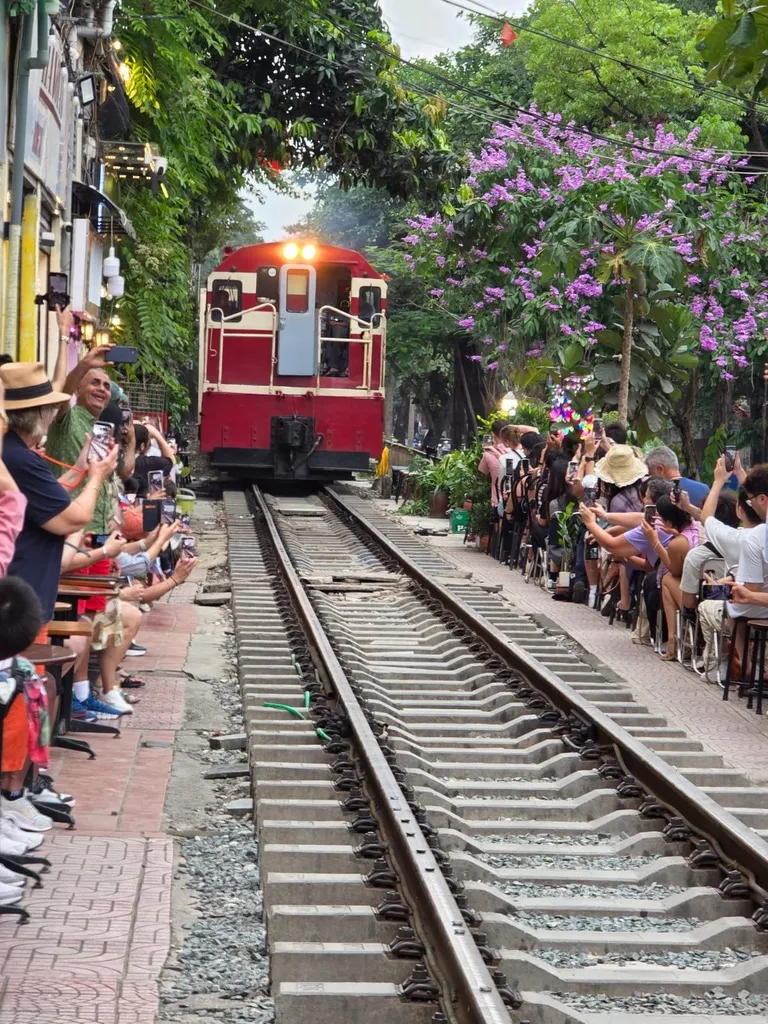
Hanoi Train Street is one of the most exhilarating and famous spots in Vietnam, featuring a scenic, operational train track that runs mere inches away from local homes and coffee shops. The history of this unique street dates back to 1902 when the tracks were originally built by French colonizers, though the surrounding homes that give the street its character were built by Vietnamese residents who have lived there for generations. The "Train Street fever" truly took off in early 2018 when a cluster of cafes opened, allowing visitors to sit right next to the tracks to watch the trains rumble past. Although its immense popularity on Instagram led to safety concerns and intermittent closures by city authorities since late 2019, determined tourists continue to seek out this fascinating, one-of-a-kind experience.
2. Things to See
The street is brimming with charm and offers a beautiful, gritty snapshot of local life alongside the railway.
-
Vibrant Decor: The narrow tracks are surrounded by bustling cafes and are beautifully adorned with vibrant lanterns, colorful signs, and lush foliage.
-
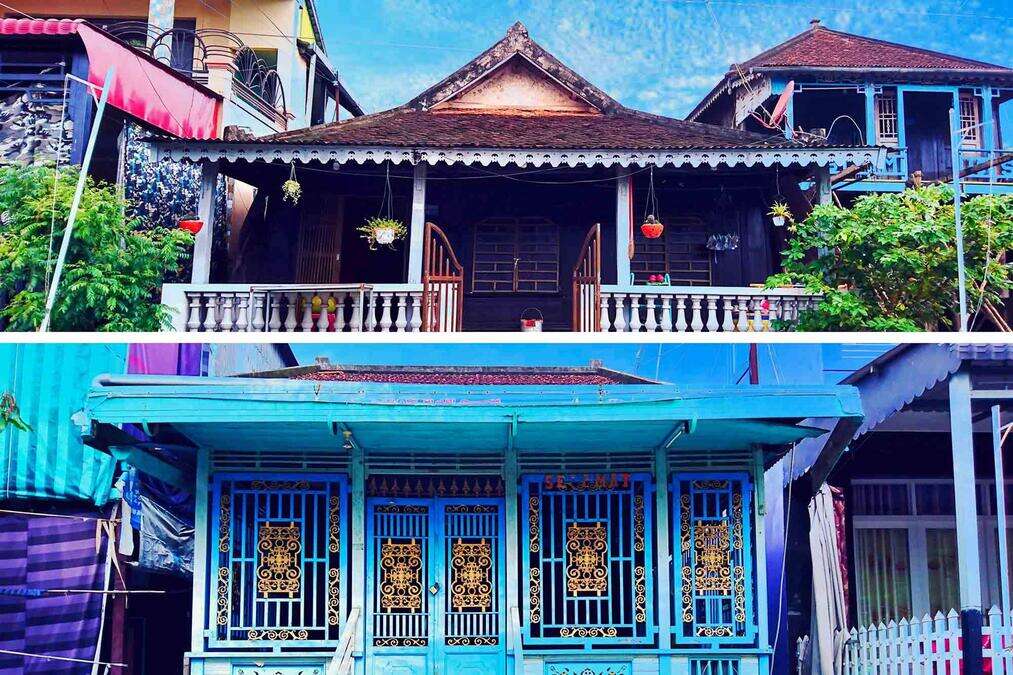
Generational Homes: You can observe the unique, tightly packed architecture of the trackside homes, some of which have housed the exact same families for over 65 years.
-
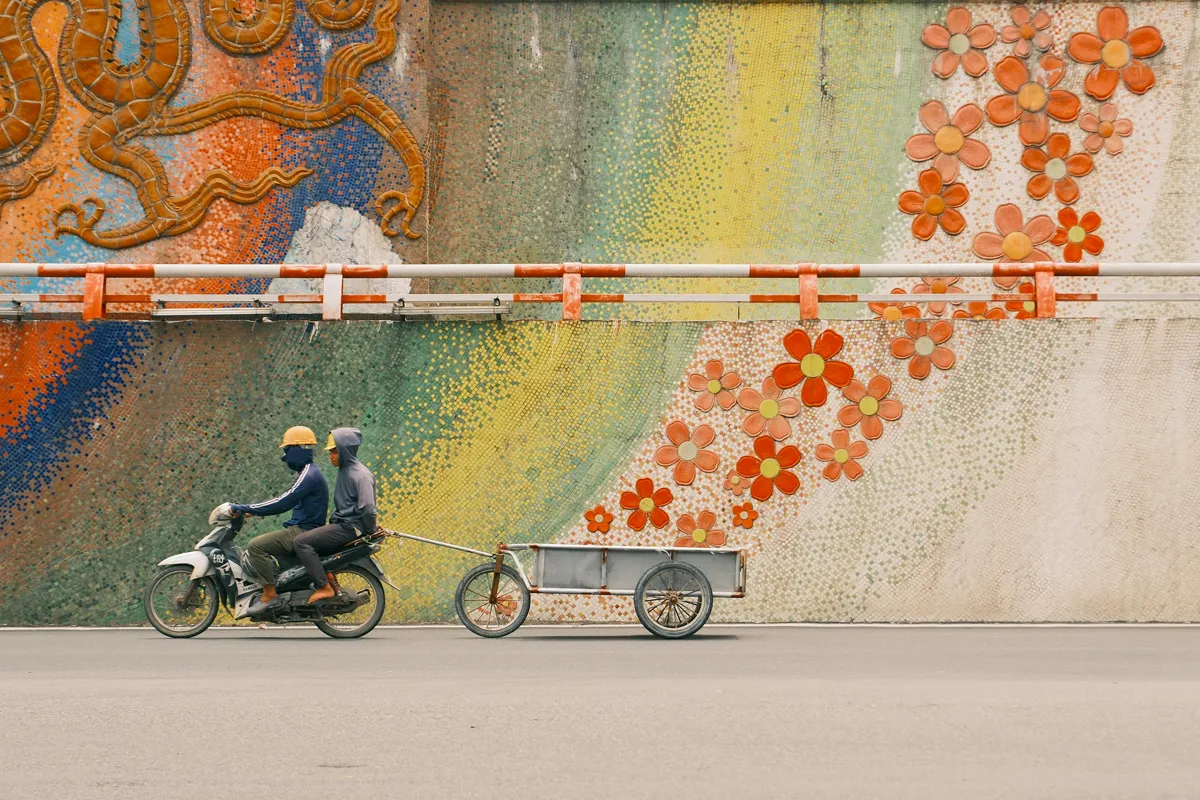
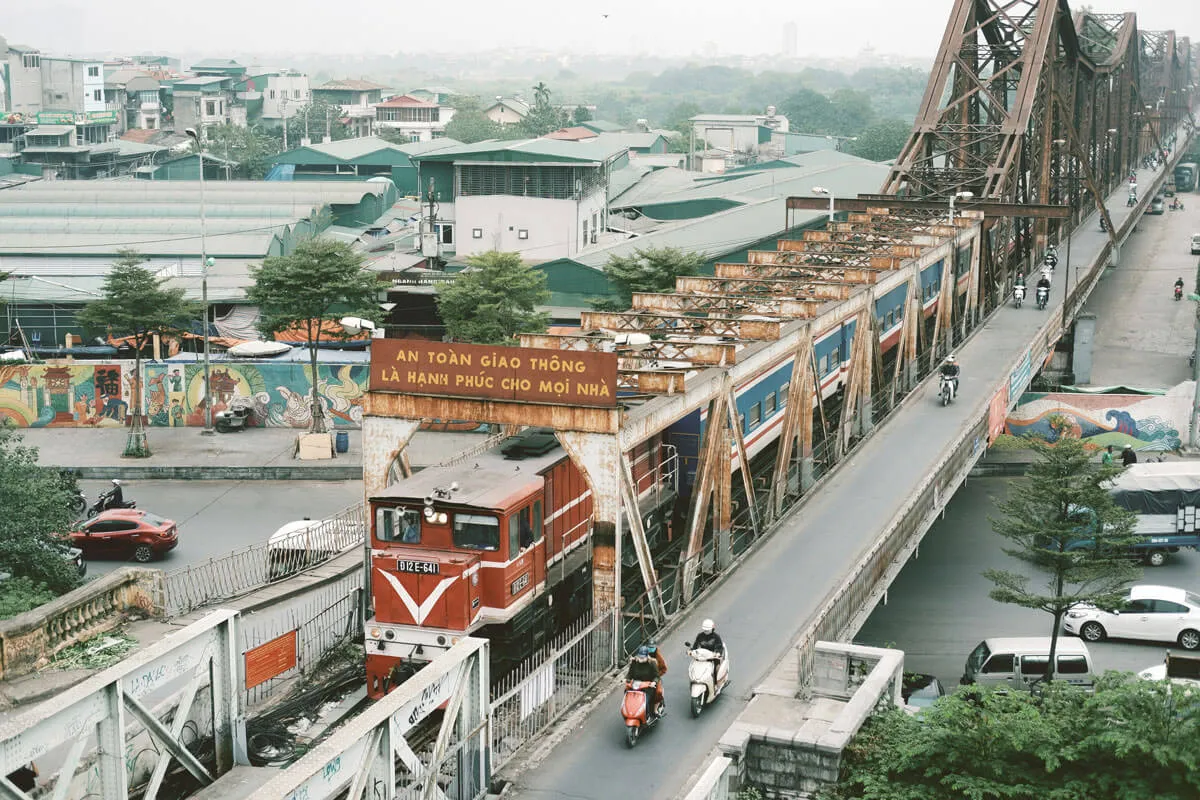
Street Art and Architecture: If the main railway sections are blocked by police, you can view the trompe-l'œil street murals painted on the filled-in stone railway archways along Phung Hung Street, or take in raised views over the Old Quarter from the colonial-era Long Bien Railway Station.
3. Things to Do
-
Experience the Thrill: The main draw is the sheer adrenaline rush of feeling the gust of wind as a massive train squeezes between the houses while you sit safely tucked away.
-
Enjoy Trackside Cafes: While waiting for the locomotive, soak in the ambiance and enjoy a traditional Vietnamese coffee, a cold beer, a mango smoothie, or fresh fruit juice at popular spots like Hanoi 1990s Cafe or the 1977 Station Café.
-
Capture the Moment: It is an unparalleled spot for photography, making it the perfect place to capture a memorable shot of the retro locomotive pulling through the narrow corridor.
-
Find a Quiet Spot: The area north of 3 Tran Phu is often the busiest; if the crowds are too overwhelming, try walking south along the railway tracks to find a quieter spot to watch the train crawl through the city.
4. Tips for Visiting
-
Check the Schedule and Arrive Early: Trains only pass through at specific times, which vary by day. Generally, weekday trains run in the evenings (starting around 7 PM), while weekend trains pass by throughout the day and evening. Always double-check the schedule and arrive at least 30 minutes to an hour early to secure a good seat at a cafe.
-
Prioritize Safety: Visiting Train Street can be dangerous. Stay behind marked safety lines, and ensure you tuck your hands, knees, and feet tight against the wall and away from the tracks when a train approaches. Always listen strictly to the guidance of local shopkeepers and authorities.
-
Navigate Closures Smartly: Due to strict safety rules, police patrols often block tourists from wandering freely on the tracks. To get a photo on the tracks, your best bet is to buy a drink from a café so a worker can help guide you safely. The Le Duan section in the Dong Da district is highly recommended as a reliable, classic viewing spot.
-
Consider a Local Guide: To avoid the hassle of researching schedules, local laws, and district closures, booking a reputable local tour guide is one of the easiest and safest ways to experience Train Street.
Location: Primarily along Phùng Hưng and Trần Phú streets. The most popular section is near 5 Trần Phú and the intersection with Phùng Hưng.
Train Times: Trains typically run daily, with times around 7:00 a.m. to 11:00 p.m., but schedules can change. Weekends tend to have more traffic.
Safety: Always stay behind the yellow line, follow instructions from cafe owners, and keep limbs tucked in as the train passes.
Alternative: The section near Le Duan is generally less crowded, allowing for a more relaxed visit.